
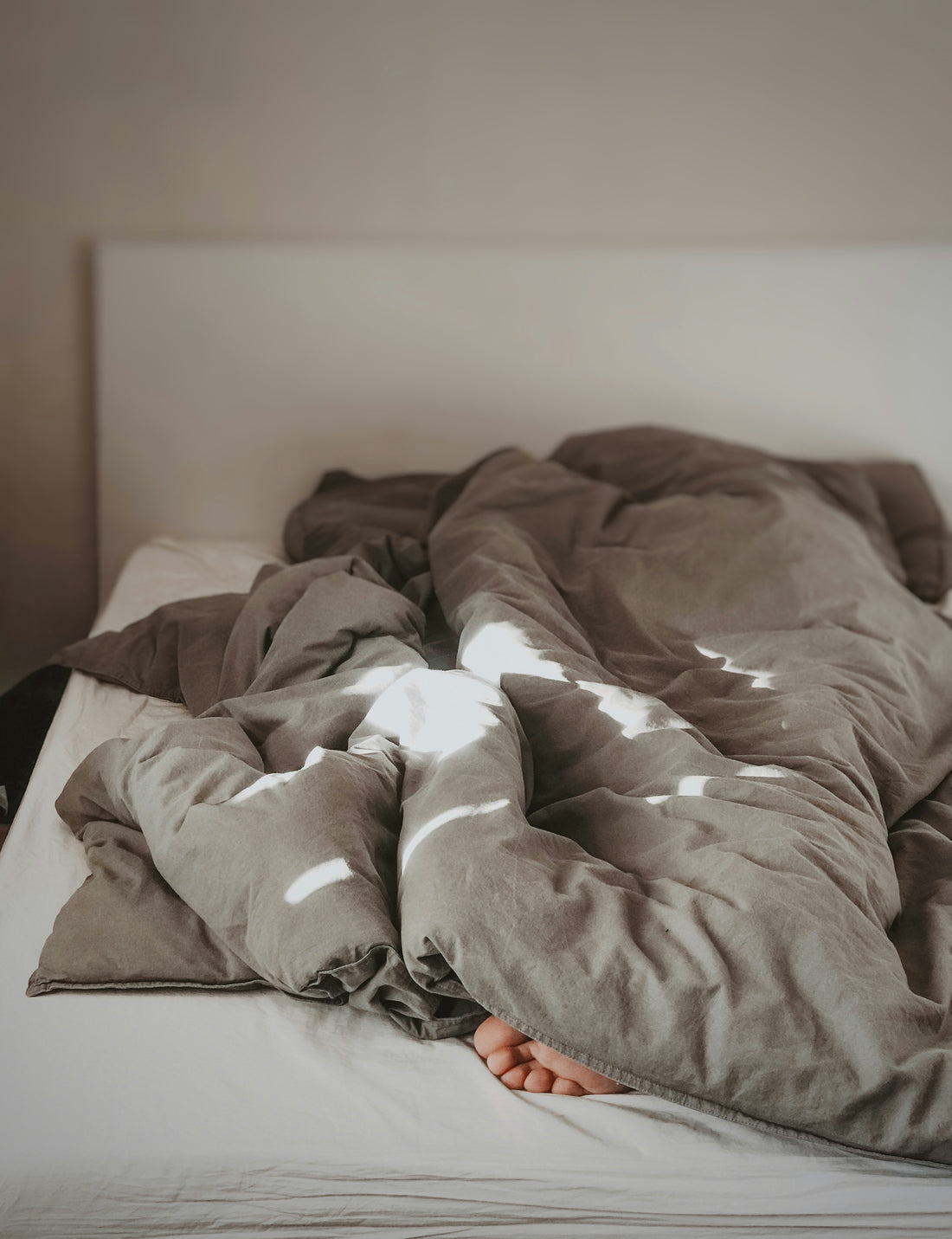
Sleep is essential for everyday health and well-being. An article published by CNN on April 25, 2023, with expert analysis by Dr. Leana Wen, explores the connection between sleep and health in detail. Below, we provide a comprehensive discussion of the role of sleep, treatment options, and alternative solutions, along with additional helpful information on managing sleep disorders.
Why is sleep important?
Sleep plays a fundamental role in how the body functions. According to Dr. Wen, people who regularly sleep less than seven hours are at increased risk for a number of diseases, including diabetes, obesity and high blood pressure. These diseases can increase the risk of cardiovascular problems, such as heart attack and stroke. Lack of sleep can also contribute to a decline in cognitive functions, such as learning, problem-solving and emotional regulation.
Sleep Medicines: Benefits and Risks
A significant proportion of adults in the United States—about 18%—use some form of sleep aid. These medications, including over-the-counter and prescription products, can be effective in treating sleep disorders, but they can come with a number of side effects. Some FDA-approved sleep aids have significant side effects, such as jitteriness, sleepwalking, confusion, and dizziness. Some can also be habit-forming, making their long-term use contraindicated.
Over-the-counter sleep aids: Melatonin and more
Melatonin, a natural hormone that helps regulate circadian rhythms, can be effective in treating jet lag or sleep disorders caused by working night shifts. However, melatonin supplements are not strictly regulated by the FDA, so dosage and purity can vary between brands. Therefore, it is important for users to be cautious with these supplements and seek medical advice before using them.
Alternative solutions to improve sleep
Lifestyle changes like regular exercise, yoga, acupuncture, and a balanced diet can significantly improve sleep quality. Good sleep hygiene—such as going to bed at the same time every day, keeping your bedroom dark and cool, and minimizing screen time in the evening—can be key.
Based on the above analysis and advice, it is important that anyone struggling with sleep problems always consult their doctor before starting any treatment. The causes of sleep problems and the selection of appropriate treatment methods are tailored to the individual.

What should we do to ensure healthy sleep?
- Regular exercise: Do moderate-intensity exercise during the day, but avoid intense exercise late at night.
- Regular sleep routine: Try to go to bed and wake up at the same time every day, even on weekends.
- Optimize your bedroom environment: Keep your bedroom cool, dark, and quiet, and use an eye mask and earplugs if necessary.
- Avoid stimulants in the evening: Do not consume caffeinated beverages (coffee, tea, energy drinks) and avoid nicotine.
- Evening relaxation techniques: Try calming activities before bed, such as reading, deep breathing, meditation, or listening to soothing music.
- Limit alcohol consumption: Alcohol can impair sleep quality, so avoid excessive alcohol consumption, especially before bedtime.
- Minimize the use of electronic devices: The blue light from electronic screens can interfere with melatonin production, so avoid using such devices at least an hour before bedtime.
- Light evening meal: Eating too heavy or fatty foods can make it difficult to fall asleep, so your evening meal should be light.
What should we avoid for healthy sleep?
- Large meals in the evening: Avoid heavy, fatty, or large meals before bed.
- Evening caffeine consumption: Caffeine can remain active in the body for up to 6 hours, so avoid consuming it in the evening.
- Smoking: The stimulating effects of nicotine can make it difficult to fall asleep, so avoid smoking, especially in the evening.
- Alcohol: Alcohol can reduce sleep quality and disrupt sleep cycles.
- Long naps during the day: Avoid long naps, especially in the late afternoon, as they can make it difficult to sleep at night.
- Late-night vigorous exercise: Although exercise generally promotes sleep, vigorous exercise before bedtime can be too stimulating.
- Arguing or stressful activities before bed: Mental or emotional stress can make it difficult to fall asleep, so avoid stressful situations in the evening.
- Exposure to blue light: The blue light from computers, smartphones, and televisions can interfere with melatonin production, so avoid using them before bed.

Cultural Dimensions of Sleep: How Does the World Sleep?
Sleep is a universal human need, but it is approached differently in different cultures. In this article, we examine how cultural norms and practices influence sleep habits around the world, highlighting two striking examples: Japan and Spain.
Japan: The Culture of Inemuri
In Japan, “inemuri,” or napping in public, is socially acceptable and often praised. This custom is often interpreted as a sign of hard work. Falling asleep in offices, on public transportation, and other public places is not shameful; in fact, it often reflects commitment and fatigue from work.
According to Dr. Hiroshi Nakamura, a sleep researcher in Tokyo, “Inemuri gives Japanese workers a chance to take short breaks during long working hours. This practice helps maintain productivity, although it may seem strange to Westerners.”
Spain: The Siesta Tradition
Unlike Japan, in Spain the afternoon siesta, or siesta, is a long-standing tradition that is especially popular during the hot summer months. During the siesta period, people go home or find a place to rest to sleep for a few hours, which helps them return to the second half of the day refreshed and energized.
Dr. Maria Gomez, a psychologist and sleep expert from Barcelona, explains: “The cultural significance of the siesta goes beyond sleep; it is a way of slowing down the pace of life and strengthening family and community bonds. However, due to changes in modern lifestyles, fewer and fewer people take siestas, especially in big cities.”
Global Perspectives and Health
These two examples highlight that sleep patterns are culturally contextual and have a significant impact on individuals’ lifestyles and health. Understanding cultural sleep patterns can help us better understand the global health aspects of sleep and the connections between different approaches.
Sleep, as a global phenomenon, presents both challenges and opportunities for public health, to which different societies may respond differently. Further research and increased cultural sensitivity are essential to better understand and address sleep-related challenges worldwide.
Misconceptions About Sleep: When to Believe and When to Question?
Sleep is essential to everyone's life, but it is also surrounded by many misconceptions and misunderstandings. In this section, we will clarify the most common sleep myths that can affect people's quality of life and health.
1. Myth: Alcohol helps you fall asleep
Many people believe that alcohol helps them fall asleep. Indeed, alcohol may initially have a calming effect, but it actually disrupts sleep cycles, especially REM sleep. This stage of sleep is vital for emotional balance and memory. Alcohol consumption can cause a person to wake up frequently during the night and may also impair their well-being the next day.
Myth 2: You can make up for sleep loss on the weekend
While it may be tempting to "catch up" on sleep lost during the week on the weekend, research shows that this doesn't make up for sleep deprivation in the long run. Irregular sleep patterns can disrupt your body's internal clock, making it harder to wake up and fall asleep during the day, and can also negatively impact your health.
Myth 3: Older people need less sleep
Although older adults often sleep less, this does not mean they need less sleep. Sleep needs do not decrease significantly with age; older adults often have sleep disorders or their sleep is disrupted by health problems that require treatment.
Myth 4: If you can fall asleep quickly, you have a healthy sleep pattern
Many people think that falling asleep as soon as they lie down is a good sign. However, if someone regularly falls asleep within five minutes, it may be a sign of sleep deprivation. It usually takes 10 to 20 minutes to fall asleep healthily.
5. Myth: Afternoon naps are harmful
Short naps of 20-30 minutes can improve memory, cognitive function, and reduce stress. However, long, late-afternoon naps can interfere with nighttime sleep and should be avoided, especially for those who have trouble falling asleep at night.
6. Myth: Some people are fine with 4 hours of sleep
Although some people claim to function well on less sleep, the scientific community generally recommends 7-9 hours of sleep for adults. Long-term sleep deprivation can lead to serious health problems, such as heart disease, diabetes, and depression.
Debunking sleep myths is key to maintaining good health and well-being. It is important to be informed and critically examine the misconceptions surrounding our sleep. For more information and personalized advice, always consult a professional to ensure that your sleep is as good as possible.